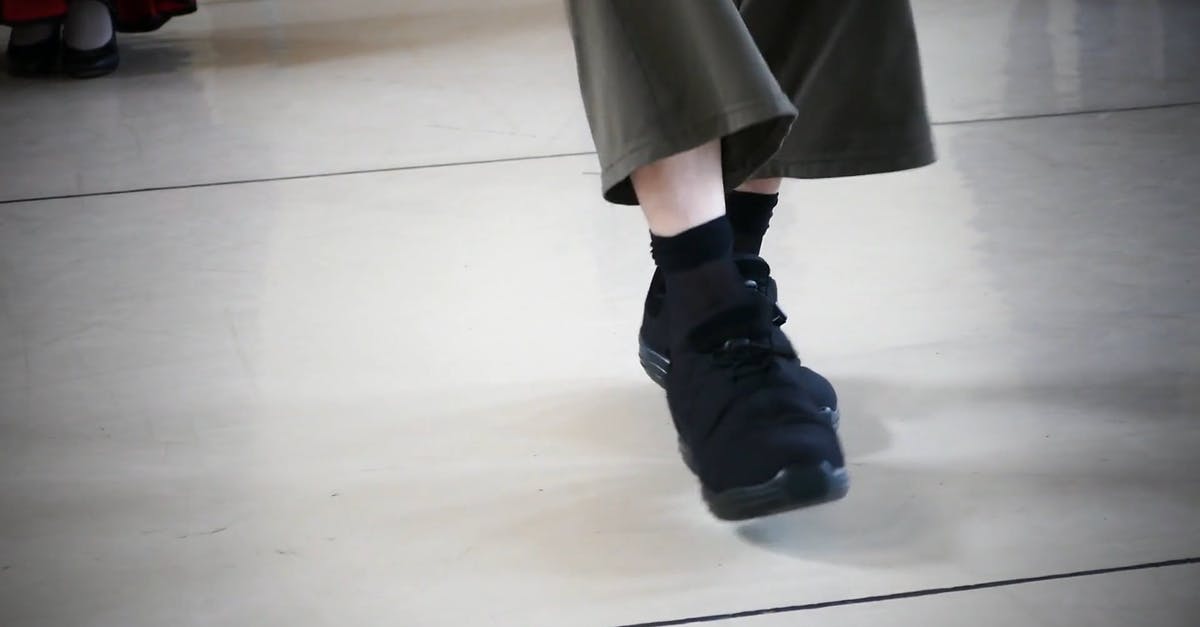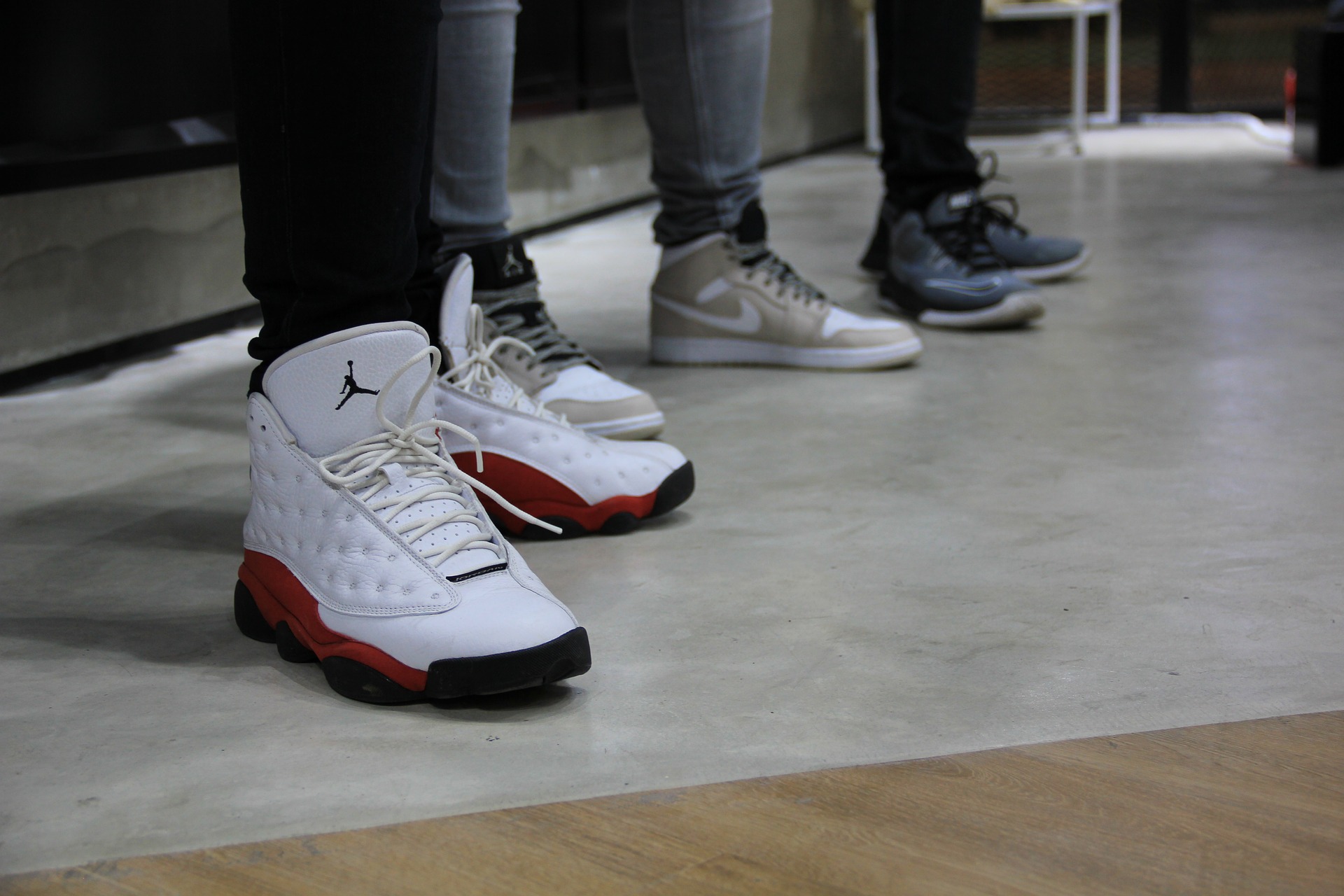
Minimalist shoes strip away thick cushioning, elevated heels, and rigid support to let feet function more naturally, as if walking barefoot with a thin protective layer. The concept has gained serious traction, but it comes with both genuine benefits and real risks.
What Qualifies
Zero-drop or low-drop design, thin flexible sole with minimal cushioning, wide toe box for natural toe spread, lightweight construction under 200 grams, and no arch support or motion control features. Popular brands include Vivobarefoot, Xero Shoes, and Merrell Vapor Glove.
Benefits
Strengthened foot muscles from engaging muscles that traditional shoes handle. Improved proprioception from increased ground feedback. More natural gait promoting midfoot strike. Better toe alignment from wide toe boxes preventing bunions and hammertoes.
Risks
Stress fractures from uncushioned metatarsal impact. Achilles tendon strain from sudden zero-drop transition. No impact protection for concrete or standing jobs. Not ideal for certain existing foot conditions.
Safe Transition Plan
Weeks 1-2: 30 minutes daily walking only, no running. Spend time barefoot at home. Weeks 3-4: Increase to 1-2 hours with foot exercises like towel scrunches and marble pickups. Weeks 5-8: Increase daily time, add short 10-15 minute runs on soft surfaces. Months 3-6: Most daily activities in minimalist shoes with gradual running increase.
Who Should Avoid
Active plantar fasciitis sufferers, diabetic neuropathy patients, people with osteoporosis or stress fracture history, and those with significant biomechanical abnormalities requiring corrective support.
The Middle Ground
Many brands now offer wider toe boxes and lower drops with more cushioning than true minimalist shoes. These hybrids are good starting points without the full minimalist risk profile.