Updated for 2026 — This article has been reviewed and updated with the latest recommendations.
The running shoe market in 2026 is defined by carbon plate technology trickling down to daily trainers, nitrogen-infused foams replacing traditional EVA, and brands finally making wide-foot options that do not compromise performance. After logging over 500 miles across ten of the top models, here is what delivers real performance gains and what amounts to marketing noise.
Quick Comparison
| Shoe | Weight | Drop | Best For | Price |
|---|---|---|---|---|
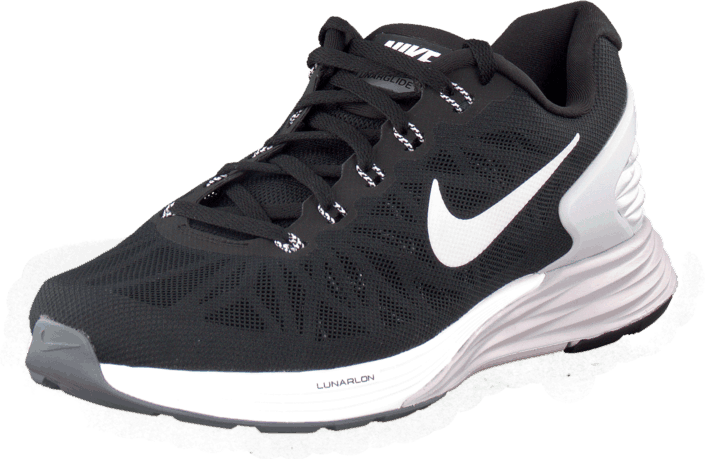
| Nike Pegasus 43 | 9.5 oz | 10mm | Daily training | $140 |
| Brooks Ghost 17 | 10.1 oz | 12mm | Neutral cushion | $140 |
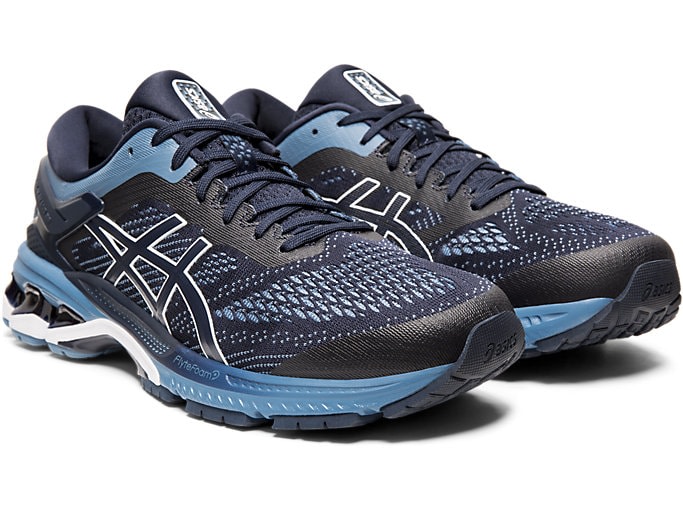
| ASICS Gel-Nimbus 27 | 10.6 oz | 8mm | Long runs | $160 |
| New Balance 1080v14 | 10.2 oz | 6mm | Plush comfort | $165 |
| Hoka Clifton 10 | 9.2 oz | 5mm | Low-drop cushion | $145 |
| Saucony Ride 18 | 9.6 oz | 8mm | Versatile trainer | $140 |
| Nike Vaporfly 4 | 6.5 oz | 8mm | Race day | $260 |
| Adidas Boston 13 | 8.4 oz | 7mm | Tempo runs | $150 |
| On Cloudmonster 2 | 9.8 oz | 6mm | Max cushion | $170 |
| Altra Rivera 4 | 9.4 oz | 0mm | Zero-drop | $140 |
1. Nike Pegasus 43 - Best Overall Daily Trainer
The Pegasus franchise continues to deliver reliable, versatile performance that works for everything from easy recovery jogs to moderate tempo efforts. Version 43 uses a ReactX foam midsole that returns noticeably more energy than the older React foam while dropping overall weight by half an ounce. The ride feels snappier without sacrificing the cushioning that makes this shoe comfortable for high-mileage weeks.
Fit runs true to size with a roomy toe box that accommodates mild foot swelling during long runs. The engineered mesh upper breathes well in warm conditions and dries quickly after wet runs. Outsole rubber durability is excellent, with testers getting 400+ miles before significant wear appeared on high-contact areas.
2. Brooks Ghost 17 - Best Neutral Cushion
Brooks repositioned the Ghost with DNA LOFT v3 foam that dramatically improves energy return over previous versions. The smooth heel-to-toe transition suits runners who land midfoot or rearfoot equally well. At 10.1 ounces, it is not the lightest option, but the balanced cushioning makes every mile feel consistent from the first to the last.
The 3D Fit Print upper adapts to individual foot shapes better than rigid overlays. Wide and narrow width options are available in every colorway, which is surprisingly rare even in 2026. Durability is a Ghost trademark, and version 17 maintains that reputation with outsole rubber that shows minimal wear at 350 miles.
3. ASICS Gel-Nimbus 27 - Best for Long Runs
The Nimbus 27 uses FF Blast Plus Eco foam with embedded PureGEL technology that absorbs impact without feeling mushy. On runs beyond 15 miles, where lesser shoes start breaking down and transmitting road shock, the Nimbus maintains its protective cushioning consistently. That makes it the top choice for marathon training blocks and ultra-distance runners who prioritize comfort over speed.
Knit upper construction conforms to foot shape after several runs, creating a custom-feeling fit. The OrthoLite X-55 sockliner adds another layer of comfort that holds up over the life of the shoe. Weight at 10.6 ounces reflects the generous cushioning, making this better suited for easy-pace efforts than tempo workouts.
4. New Balance Fresh Foam X 1080v14 - Most Comfortable
If comfort is the priority above all else, the 1080v14 wins. Fresh Foam X provides a plush, pillowy ride that makes pavement feel forgiving even during the highest-mileage weeks. The Hypoknit upper wraps the foot securely without pressure points, and the padded collar prevents any heel irritation.
The 6mm drop encourages a more natural foot strike pattern compared to higher-drop competitors. Blown rubber outsole provides grip on wet pavement without adding excessive weight. This shoe excels as a recovery day option or a primary trainer for runners who value comfort over performance metrics.
5. Hoka Clifton 10 - Best Lightweight Cushion
At 9.2 ounces with generous cushioning, the Clifton 10 defies the usual tradeoff between light weight and impact protection. The compression-molded EVA midsole provides a smooth, rolling transition that Hoka fans expect, while a redesigned mesh upper improves breathability over version 9. The meta-rocker geometry encourages forward momentum without feeling unstable.
The low 5mm drop suits runners transitioning from traditional shoes toward more natural options without going fully zero-drop. Extended crash pad at the heel provides a stable landing platform for heel strikers. Rubberized foam outsole wears faster than competitors with dedicated rubber pods, so expect 300-350 miles before replacement.
6-10: Quick Takes
Saucony Ride 18: PWRRUN+ foam balances cushioning and responsiveness perfectly for runners who want one shoe for every workout. Reliable, predictable, unexciting in the best way. Check Latest Price
Nike Vaporfly 4: Still the race day standard. ZoomX foam with a full-length carbon plate delivers measurable speed gains. Reserve it for races and key workouts to preserve the foam. Check Latest Price
Adidas Boston 13: Lightstrike Pro foam makes this the perfect tempo day shoe. Responsive enough for intervals, cushioned enough for progression runs. Continental rubber outsole grips everything. Check Latest Price
On Cloudmonster 2: Maximum cushioning with distinctive CloudTec Phase pods. The bouncy ride polarizes runners, so try before you buy. Great for heavier runners who want impact protection. Check Latest Price
Altra Rivera 4: Zero-drop platform with EGO MAX foam works for runners committed to natural foot positioning. Foot-shaped toe box allows full toe splay. Not for everyone, but converts swear by it. Check Latest Price
How to Choose
Daily training: Pegasus 43 or Ghost 17. Long runs: Nimbus 27 or 1080v14. Races: Vaporfly 4. Speed work: Boston 13. Natural running: Rivera 4. Most runners benefit from rotating two or three shoes to vary the stress on their feet and extend the life of each pair.