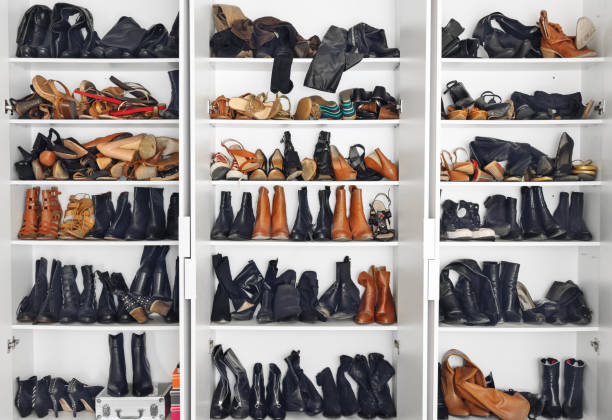
Wearing the same pair of shoes every day is one of the fastest ways to wear them out. Leather needs time to dry out between wears, cushioning foams need time to decompress, and the moisture from your feet needs to evaporate before the shoe goes back on. Rotating your shoes between at least two or three pairs extends the life of each pair significantly and keeps them smelling better and feeling more comfortable.
Why Rotation Matters
Your feet produce about half a pint of sweat per day. When you wear the same shoes daily, that moisture never fully evaporates. Persistent dampness breaks down adhesives, degrades leather, compresses foam, and creates an environment where bacteria thrive. Giving shoes 24 to 48 hours between wears lets moisture evaporate completely.
The Minimum Rotation: 3 Pairs
For someone who wears the same type of shoe most days, three pairs is the minimum for a good rotation. You wear each pair once, then it rests for two days. Here is what that looks like:
- Monday: Pair A
- Tuesday: Pair B
- Wednesday: Pair C
- Thursday: Pair A (2 days rest)
- Friday: Pair B (2 days rest)
Three pairs of $150 shoes that each last 3 to 4 years is a better investment than one pair of $150 shoes that wears out in 12 to 18 months.
Dress and Work Shoes
Two to three pairs cover most professional wardrobes. A black pair, a brown pair, and optionally a more casual option like suede loafers or clean leather sneakers. Store them on cedar shoe trees ($15 to $25 per pair from Stratton or Woodlore) to absorb moisture and maintain shape.
Athletic Shoes
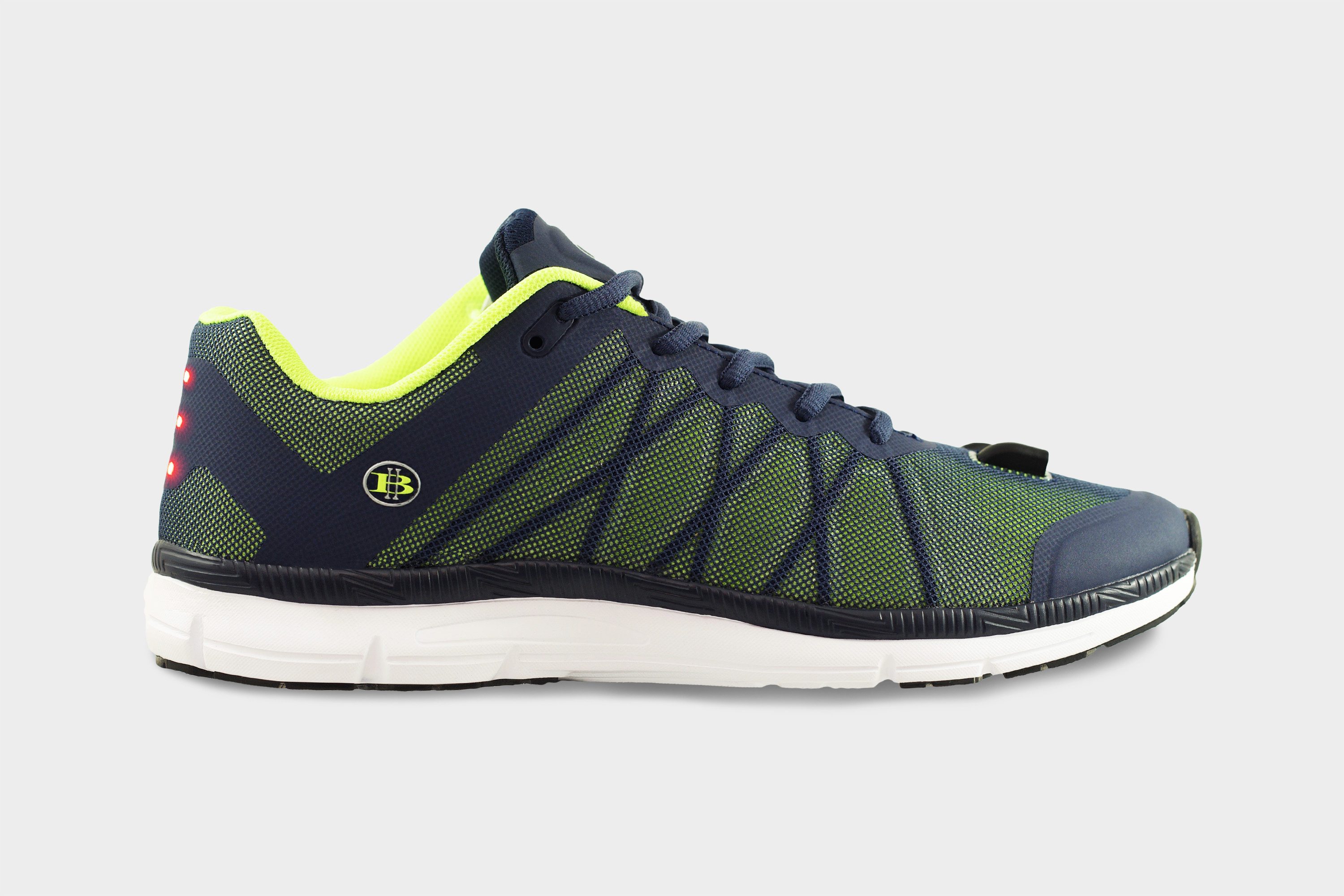
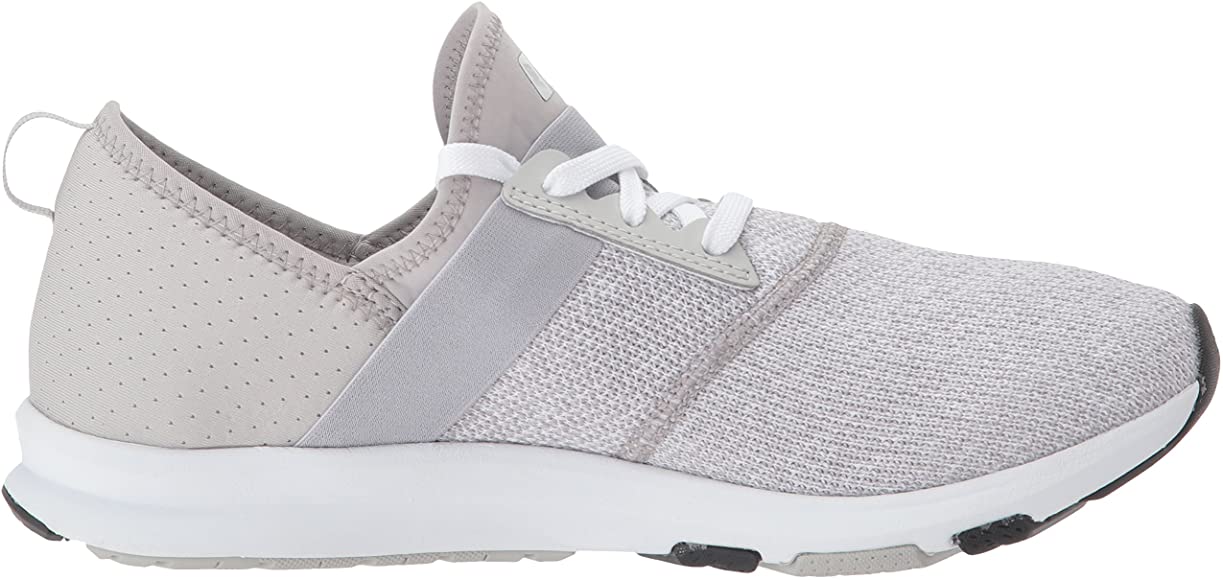
If you work out regularly, two pairs of training shoes is the sweet spot. Alternate them on workout days. The foam cushioning in athletic shoes takes the biggest beating and benefits the most from rest days. Running shoes should be retired after 300 to 500 miles, and rotating between two pairs stretches that mileage across a longer calendar period.
Casual Everyday Shoes
Two pairs of casual shoes handle most weekend and errand-running needs. White sneakers and a pair of boots, or canvas sneakers and leather sandals depending on the season. The key is having at least one alternative so your go-to pair gets a break.
Total Count
A practical shoe rotation for most adults:
- 2 to 3 dress/work shoes
- 2 athletic/training shoes
- 2 casual everyday shoes
- 1 pair rain or winter boots
- 1 pair sandals or warm weather shoes
That is 8 to 11 pairs total. Build the rotation over time, replacing worn-out shoes with pieces that fill gaps.
Signs a Shoe Needs to Be Retired
- The midsole feels flat and no longer cushions impacts
- The outsole is worn smooth and no longer grips
- The heel counter has collapsed and no longer holds your heel in place
- The upper has holes or separated seams
- You notice new foot, knee, or back pain
Making Shoes Last Longer
Use a shoehorn when putting on leather shoes to protect the heel counter. Unlace or unbuckle shoes before removing them instead of kicking them off. Clean shoes regularly and condition leather every few months. Store them in a cool, dry place away from direct sunlight. For athletic shoes, loosen the laces fully before taking them off. Air them out after workouts before storing them in a gym bag or closet.